Best Water-proof Attributes for Deluxe Outdoor Camping Tents
There was a time when camping suggested waking up in a damp sleeping bag, rain drumming on a sagging tarpaulin overhead. That era is firmly behind us. Today's luxury camping tents are engineered with sophisticated waterproofing systems that keep you bone-dry without sacrificing an ounce of comfort or style. Whether you're glamping in the Scottish Highlands or setting up a basecamp in the Himalayas, knowing which waterproof features actually matter can make the distinction in between an unpleasant evening and a deeply relaxed one.
Hydrostatic Head Ranking: The Beginning Factor
Every severe conversation regarding camping tent waterproofing begins with the hydrostatic head (HH) rating. This number, measured in millimetres, informs you just how much water stress a material can stand up to prior to it starts to leak. A basic camping tent could supply 1,500 mm, however high-end camping tents generally start at 3,000 mm and often push past 5,000 mm for the fly sheet and groundsheet.
For authentic all-weather self-confidence, look for a fly sheet ranked at least 3,000 mm HH and a groundsheet rated at 5,000 mm or greater. Groundsheets deal with even more pressure from body weight and merging water beneath the outdoor tents, so they need the higher ranking. Costs brands like Hilleberg, MSR, and Jack Wolfskin engineer their high-end lines with these standards as a baseline, not a selling factor.
Textile Innovation: What's Maintaining You Dry
Silicone-Coated Ripstop Nylon
Silnylon and silpoly materials have actually become the gold requirement in premium tent building. A silicone covering on both sides of the textile creates a near-impermeable obstacle while continuing to be impressively light-weight. Unlike older polyurethane-coated textiles, silicone finishings do not break down or peel off over time, indicating your deluxe outdoor tents keeps its waterproofing season after season with marginal upkeep.
Resilient Water Repellent (DWR) Complete
Past the base coating, premium camping tents use a DWR coating to the outer material surface area. This creates water to bead up and roll off rather than soak in and include weight. With time and with repeated washing, DWR treatments wear down, however top quality manufacturers use PFC-free formulas that can be rejuvenated with a straightforward spray-on product. A tent that beads water noticeably is an outdoor tents that's doing its work.
Seam Sealing: Where Many Camping tents Fail
A material can be flawlessly water-proof while the outdoor tents itself still leaks-- through its seams. Every needle hole produced during sewing is a prospective access factor for water. In deluxe outdoors tents, seams are either factory-taped with waterproof adhesive tape or fully seam-sealed with silicone sealant. Factory-taped seams are typically much more long lasting and constant, while silicone-sealed joints on silnylon outdoors tents supply superb lasting efficiency.
Constantly examine whether a tent's critical seams-- particularly the fly sheet ridge and any floor joins-- are sealed prior to acquisition. Some budget-adjacent "costs" outdoors tents miss this action and leave joint securing to the purchaser.
Camping Tent Style and Water Administration
Vestibules and Overhangs
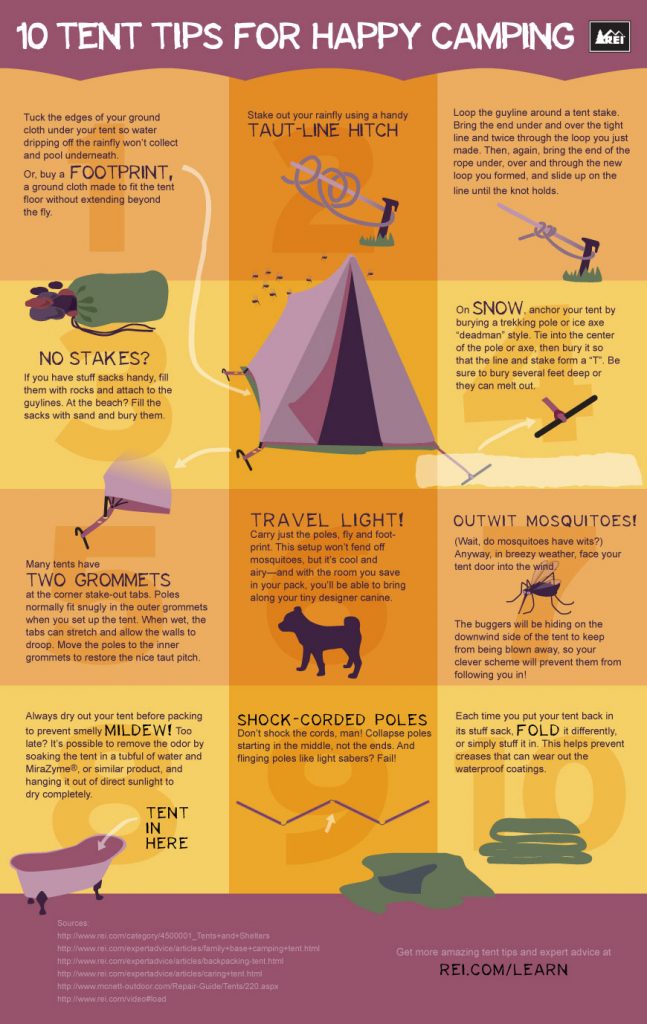
Waterproofing isn't simply regarding materials-- design plays a huge role. Generous vestibules (the covered porch locations at outdoor tents entries) maintain rainfall from driving into the inner camping tent each time you zip open the door. In a well-designed luxury tent, you can store sloppy boots, damp coats, and cooking gear under the vestibule without letting a decline within.
Catenary Cut Fly Sheets
Premium camping tents use a catenary cut for their fly sheets-- a curved, tensioned layout that removes drooping. A taut fly sheet sheds water immediately rather than merging it in the centre, which is both a waterproofing advantage and a structural one during heavy rainfall or snow loading.
Elevated Bath Tub Floors
The groundsheet in a high-end camping tent is usually constructed in a bathtub design, where the water resistant base prolongs several centimetres up the walls glamping franchise before fulfilling the breathable internal material. This style physically blocks ground water, splashback, and drainage from sneaking inside-- even when you're camped on saturated ground.
Zippers and Water Drainage Things
Luxury outdoors tents buy high quality YKK or equivalent zippers and often cover them with tornado flaps-- material strips that shield zip teeth from straight rains. Some expedition-grade tents go better with water resistant zip innovation, eliminating the void entirely. Water drainage grommets or tilted guy-line attachment factors guarantee water flows far from the camping tent impact instead of collecting around the base.
Last Thoughts
Waterproofing in a deluxe camping tent isn't a solitary feature-- it's a system. The most effective camping tents layer high HH-rated textiles, silicone finishes, factory-sealed seams, smart design geometry, and top quality hardware right into a cohesive sanctuary that deals with whatever the weather tosses at it. When you invest in a camping tent built around these concepts, the rain quits being a problem and begins becoming part of the environment.